
Blog
The Personalization Trap: Why Your Subscription Box Loses Subscribers After Month 3
How to avoid stale curation by building a feedback loop that keeps boxes fresh.
Summary
Many subscription boxes see a spike in churn after the third month, even when early boxes were hits. The culprit is often static personalization: relying on a one-time quiz rather than evolving with the subscriber's changing tastes. This article walks through a concrete scenario of a box that lost subscribers due to stale curation, then presents a practical fix. You'll learn how to implement a lightweight feedback system after each delivery, use subscriber ratings to refine future boxes, and offer flexible curation tiers. The contrarian insight: you don't need expensive AI to personalize effectively—simple, consistent loops outperform complex models for most growing boxes. By the end, you'll have a replicable process to reduce churn and increase lifetime value without overcomplicating your operations.
The Problem: The Month-3 Cliff
You launched your subscription box six months ago. The first two months were a dream: glowing reviews, social media unboxing videos, and a churn rate well below the industry average. But then something shifted. Month three arrived, and cancellations started trickling in. By month four, the trickle became a stream. Subscribers who had raved about their first box were now leaving without a word.
If this sounds familiar, you're not alone. Many subscription box businesses experience a "month-3 cliff" — a sharp rise in churn after the initial novelty wears off. The average churn rate across subscription boxes hovers around 10-11%, but for many, it peaks precisely when the relationship should be deepening. The cause? The box stopped feeling personal.
Your onboarding quiz, which seemed so thorough, is now working against you. Subscribers' tastes shift — they discover new brands, their needs change, or they simply get bored of receiving variations on the same theme. Meanwhile, your curation team is still referencing that snapshot from three months ago, unaware that the subscriber has moved on. The result: a box that feels stale, leading to that dreaded cancellation email.
The Fix: Build a Living Preference Profile
The solution isn't to scrap personalization — it's to make it dynamic. Instead of treating the onboarding quiz as a finished contract, treat it as a starting point. The key is to create a feedback loop that continuously updates your understanding of each subscriber's preferences. This doesn't require a complex AI system; in fact, for most boxes, a manual or rules-based approach can be more effective and transparent.
Start by adding a simple feedback mechanism after every delivery. For example, include a card asking subscribers to rate each item on a scale of 1 to 5, with a single open-ended field for comments. Keep it short — you want high response rates. Then, use that data to adjust the next box. If a subscriber consistently gives low ratings to skincare products but loves snacks, shift their curation accordingly. This ongoing dialogue builds trust and makes subscribers feel heard.
A common pattern is to set up a automated email sequence that triggers a day after delivery, linking to a brief survey. But you can also include a QR code on packaging or a card in the box itself. The medium matters less than the consistency. The goal is to gather signal from every single box, not just the first one.
Beyond Ratings: Qualitative Feedback Matters
Ratings give you the what, but comments give you the why. A subscriber might rate a protein bar a 3 — but their comment reveals they're trying a low-carb diet and the bar was too high in sugar. That nuance is gold. For your curation team, maintain a shortlist of recurring themes from comments. These qualitative insights often lead to product discoveries or adjustments that ratings alone would miss.
One caveat: don't try to act on every single piece of feedback immediately. That's a recipe for chaos. Instead, aggregate feedback monthly and look for patterns. For example, if 15% of your subscribers mention they wish you had more sustainable packaging, that's a signal to explore eco-friendly options — not a request to redesign your entire box overnight. This approach balances responsiveness with operational sanity.
The Contrarian View: Ditch the AI Fantasy
It's tempting to believe that a sophisticated machine-learning algorithm will solve all your personalization woes. In reality, most subscription boxes — especially those under 10,000 subscribers — lack the data density to train effective models. A rules-based system that uses explicit feedback (ratings, preferences, skip requests) often outperforms a black-box AI that guesses based on implicit signals. Moreover, subscribers appreciate transparency. When you tell them, "You rated coffee items highly, so we included a new roast this month," they feel involved. An AI that silently adjusts without explanation can feel creepy, not personal.
So before you invest in a complex personalization engine, invest in the feedback collection infrastructure first. Simple, honest loops build loyalty. You can always layer AI on top later if the volume warrants it.
Tiered Curation: Give Subscribers Control
Not all subscribers want the same degree of surprise. Some love the thrill of a fully curated box; others want to swap out items they don't like. A flexible curation model can dramatically reduce churn. Offer two or three tiers:
- Full Surprise: The box is completely curated by you, based on their profile and feedback.
- Customizable Preview: Subscribers see the upcoming box contents a week early and can swap up to two items.
- Self-Curate: Subscribers pick every item from a selection of options.
This tiered approach caters to different personalities and life stages. A subscriber might start with Full Surprise, then switch to Customizable as their needs become more specific. Crucially, give them the ability to pause, skip, or switch tiers easily — flexibility is a proven retention lever.
Implementing tiers doesn't have to be complex. You can start with just two options: surprise or choose. Test it with a segment of your subscribers first. Monitor churn among those who switch to a more customizable tier — often it drops significantly because they feel in control.
Operationalizing the Feedback Loop
To make this work day-to-day, you need a lightweight system. A simple spreadsheet or a CRM with custom fields can track ratings and comments per subscriber. For example, create a row for each subscriber and columns for each month's feedback score and key themes. When it's time to curate the next box, your team reviews the recent notes and adjusts accordingly. This manual process is feasible up to a few hundred subscribers; beyond that, consider a basic rules engine (e.g., if average rating for category < 3, exclude that category next month).
For fulfillment, this feedback loop also informs inventory planning. If you notice a trend toward a certain product type, you can order more of it. Conversely, if an item consistently gets low ratings, consider retiring it. Over time, your box's curation will improve because it's driven by actual subscriber preferences, not assumptions.
The Unboxing Experience as Feedback Trigger
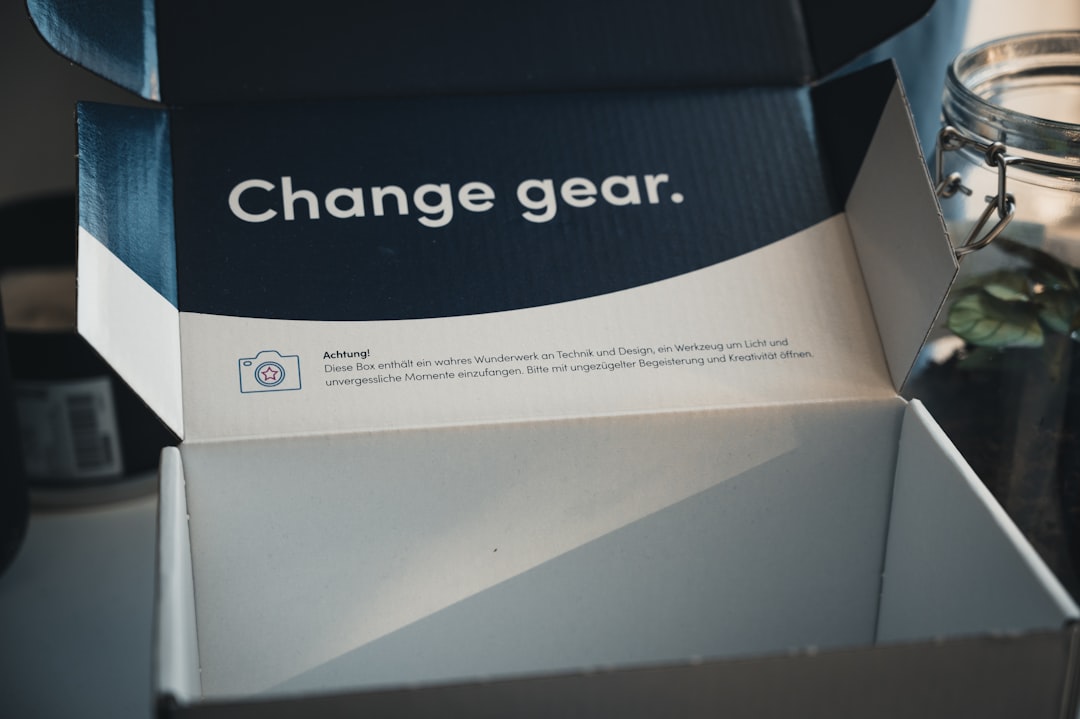
The moment a subscriber opens the box is the perfect time to collect feedback. Include a small feedback card that ties into your system. Make it visually appealing and easy to use — a single fold card with rating circles and a space for one comment. Some boxes even include a prepaid envelope for returning the card, though digital methods are cheaper. Pair this with an email follow-up that thanks them for their feedback and hints at what's coming next based on their input. This closing of the loop reinforces that their voice matters.
The unboxing experience itself can also be a source of data: which items get photographed first? Which get shared on social media? While harder to quantify, you can monitor social mentions or ask subscribers to tag you. This qualitative signal complements your structured feedback.
Conclusion: Curation as an Ongoing Conversation
The month-3 churn cliff is not inevitable. It happens when personalization stops. By building a continuous feedback loop, you transform curation from a one-time event into an ongoing conversation with each subscriber. Start small: add a post-delivery rating system, track the results, and let those results guide your next box. Resist the temptation to over-engineer with AI; instead, focus on simplicity and transparency. Offer curation tiers so subscribers can choose their level of surprise. And make the feedback process as seamless as possible — embed it into the unboxing experience.
Remember, a subscription box is a relationship. Relationships thrive on listening and adapting. When you treat each box as a chance to learn and improve, you don't just reduce churn — you build a loyal community that stays for months and years. The only thing worse than a static box is a dynamic one that doesn't communicate. Keep the conversation going, and your subscribers will stick around.
Sources (5)
- Subscription Box Market Opportunity, Growth Drivers, Industry Trend Analysis, and Forecast 2025-2035
- Subscription Box Trends 2024
- Subscription Box Boom: Unveiling the Growth Trends of 2024
- Reduce Your Subscription Box Churn Rate
- Optimizing Customer Retention Strategies for Subscription Box Businesses with CRM
Keep reading
Cut Churn in Half: The First-Box Unboxing Strategy for Curation Subscription Boxes
Learn how to design a first-box unboxing experience that hooks subscribers and cuts churn by 50% using personalization, unexpected extras, and data-driven follow-ups.

Turn Customer Data into Retention Gold for Your Subscription Box
Stop letting customer data gather dust. This 5-step strategy transforms surveys, purchase history, and feedback into personalized experiences that slash churn and boost lifetime value.

5 Myths About Running a Subscription Box (and What Actually Drives Retention)
Debunking the five most dangerous assumptions solo subscription box operators make about churn, unboxing, personalization, and fulfillment.

The 7-Point Retention Audit for Any Subscription Box Client
Run this seven-point audit to find the real reason any subscription box client is losing subscribers.

Why Your Subscription Box Churn Isn't a Price Problem (Yet)
Before you cut prices or add discounts, check the real driver of churn: the gap between the unboxing experience and the ongoing value. Here's how to diagnose it and what to do.

Why You Should Let Subscribers Pause (and How to Sell It to Your Boss)
A pause or skip option isn't a revenue leak—it's a retention tool. Learn how to make the case with data and a low-cost experiment.