
Blog
From Etsy to Independence: A Real-World Action Plan for Artisans
Stop treating marketplaces as your only storefront. This checklist shows how to build a self-owned business that survives algorithm changes.
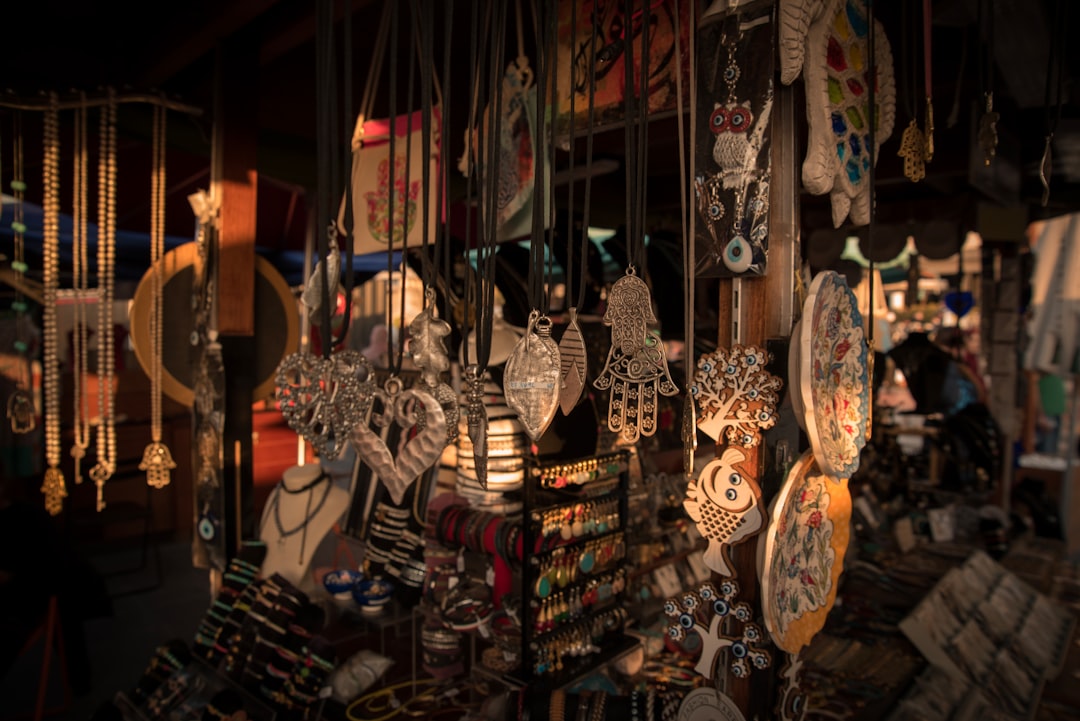
Summary
You know the feeling: your Etsy shop was humming, then the algorithm shifted and sales tanked. Your boss wants to know why. This article translates the vague advice “tell your story” into six concrete actions you can take this week. I skip the usual hype about authenticity and get into the tradeoffs every small team faces—like whether email marketing is worth the effort when you're already on Etsy. You'll learn to audit your channel dependency, define a brand identity that wins premium pricing, and build an owned audience step by step. No fake case studies, no inflated percentages—just practical steps backed by real strategies other artisans use.
It's Tuesday morning. You open Etsy's seller dashboard and see the line graph dropping again. Your boss walks over: "Why aren't we selling like last quarter? Should we run a sale?" You know the real answer is that you're renting space on a platform that changed its search algorithm again. But explaining that to someone who just wants revenue feels impossible. Here's the checklist that saves you that conversation—and builds a business that survives whatever algorithm comes next.
1. Audit your channel dependency—then diversify with intent.
Take out a piece of paper. List every channel you use to sell (Etsy, Amazon Handmade, your own site, craft fairs, wholesale). For each, write: what percentage of revenue came from it last month, and how much control you have over customer relationships. If any single channel accounts for more than 50% of sales and you don't own the customer email list or contact info, you have a single-point-of-failure problem. The antidote isn't to leave that channel tomorrow—it's to start building at least one owned channel (your own website, an email list) while still riding the marketplace's traffic. Many artisans find that a simple landing page on their own domain can capture leads from social media without cannibalizing marketplace sales. If you skip this audit, you'll keep reacting to algorithm changes rather than planning your own growth.
2. Define your brand beyond “handmade” and “quality.”
Those words are table stakes, not differentiators. Your brand identity needs three layers: purpose (why you make this, beyond making money), people (who you're really making it for—not demographics, but the specific emotional benefit they get), and product (the tangible, craft details that can't be replicated). A marketing guide for artisan businesses calls this the "3 P's of Branding.
Sources (5)
Keep reading
From Etsy to Independence: Story-Driven Selling for Artisans
Break free from marketplace fees and build a brand that customers love. Learn to craft your story, choose the right platforms, and create a site in minutes.

Scaling the Artisan Narrative: A Step-by-Step Storefront Walkthrough for Multi-Client Agencies
A methodical walkthrough on how to turn tactile craft and maker stories into high-converting digital storefronts across multiple artisan clients.

The Artisan Platform Trap: Why Copying Your Etsy Listings to Your Own Site Quietly Kills Sales
The single most common mistake artisan brands make when leaving a marketplace: treating their own site like a clone of their Etsy shop. Here's the repeatable fix.

The Handmade Story Audit: A Repeatable Way to Sell Craft Online
A four-question audit that turns artisan origin stories into buyer-facing proof — repeatable for every client.

Your Handmade Story Isn't Selling. Here's What's Actually Missing
A potter's flat sales turn around when she stops treating story as decoration and starts using it as proof.
Your Story Needs a Number: Winning Budget for Your Handmade Brand
Your boss doesn't fund stories — they fund numbers. Here's how one studio team turned storytelling into customer capture, product-page proof, and a budget line.